Experience konjic

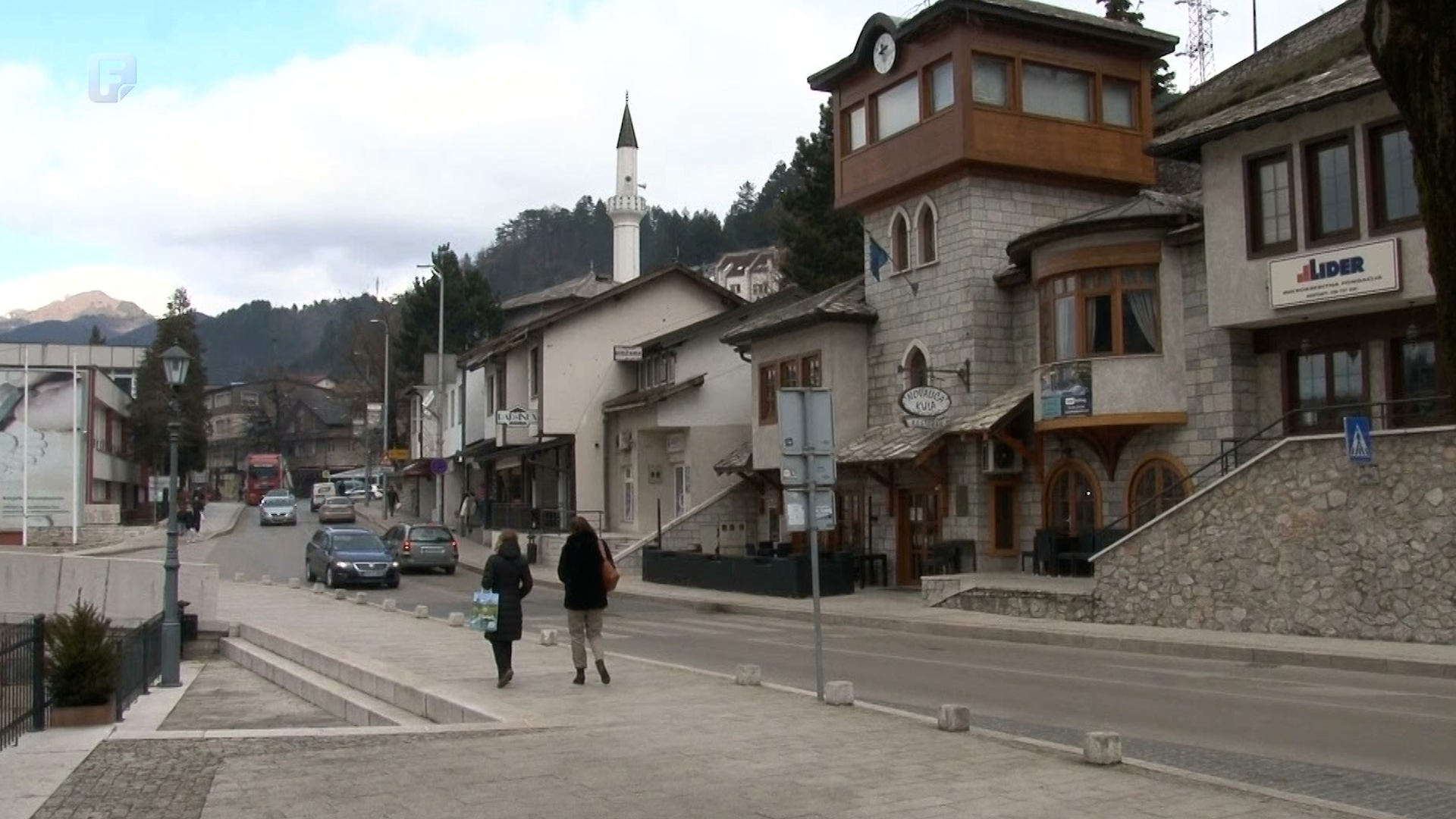
Konjic is a City (former Municipality) and a town located in the Herzegovina-Neretva Canton of the Federation of Bosnia and Herzegovina, one of two entities that make up Bosnia and Herzegovina. It is located in northern Herzegovina, around 60 kilometres southwest of Sarajevo, in a mountainous, heavily wooded area.
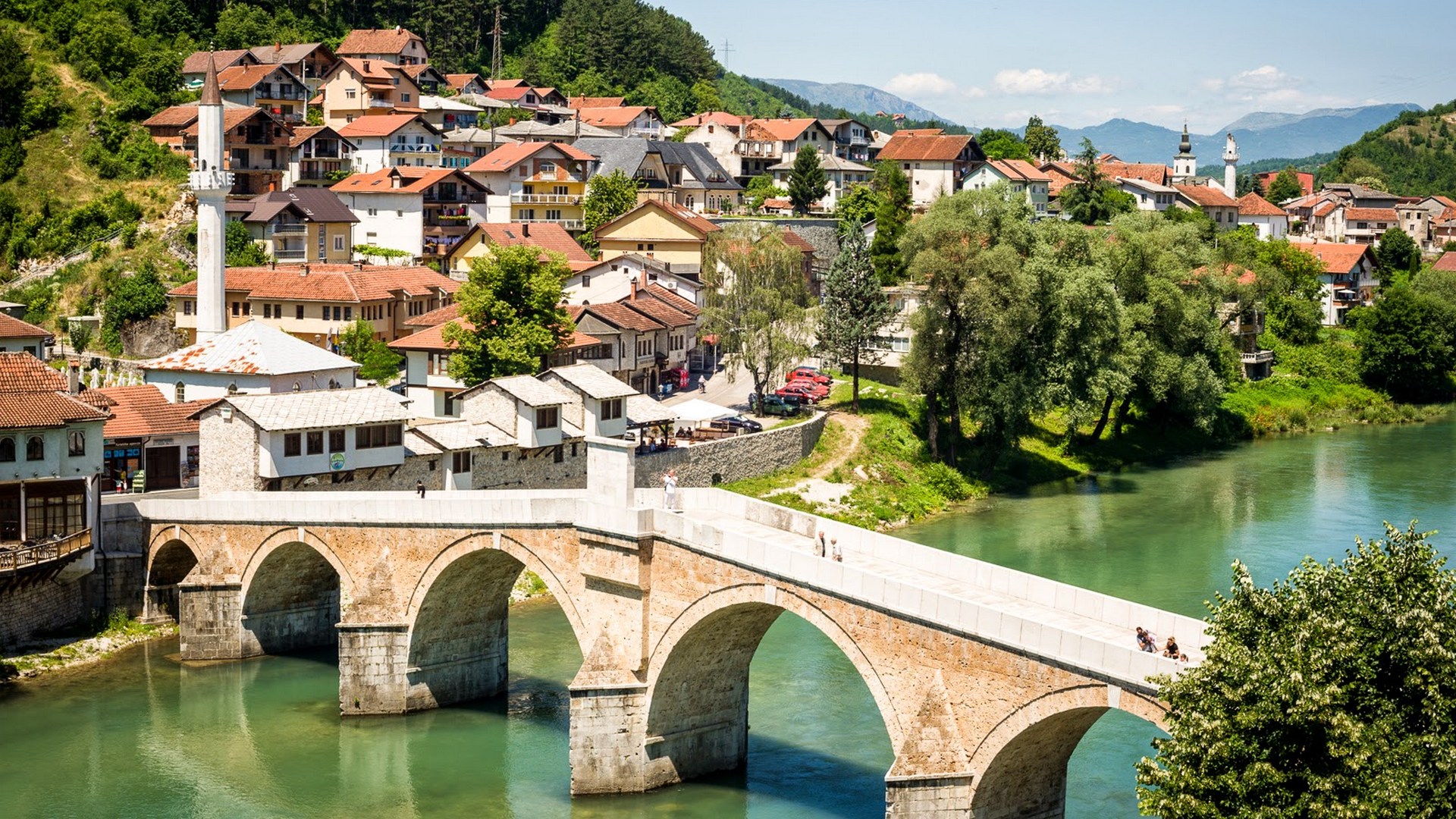
The area near the Konjic is believed to have been settled up to 4,000 years ago, and settlements around 2,000 years ago by Illyrian tribes travelling upstream along the Neretva river have been found. Konjic was earliest recorded by name in the records of the Republic of Ragusa on 16 June 1382.The town, part of the Bosnian kingdom, was incorporated into the Ottoman Empire, of which the lasting feature for the town (apart from the many mosques and bringing of Islamic faith) is the Ottoman-inspired bridge Stara Ćuprija which features in the town's coat of arms, and later into the Austro-Hungarian Empire.
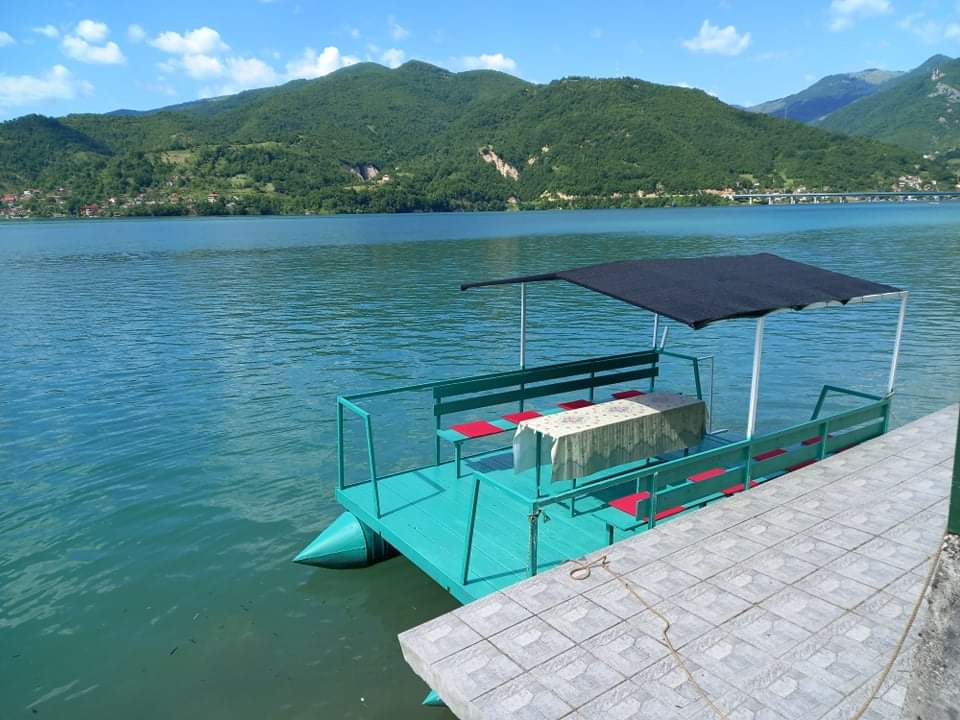
Jablaničko lake

Jablaničko lake is a large artificially formed lake on the Neretva river, right below Konjic where the Neretva expands into a wide valley. The river provided lot of fertile, agricultural land there, before the lake flooded most of it. The lake was created in 1953 after construction of Jablanica Dam near Jablanica in central Bosnia and Herzegovina.

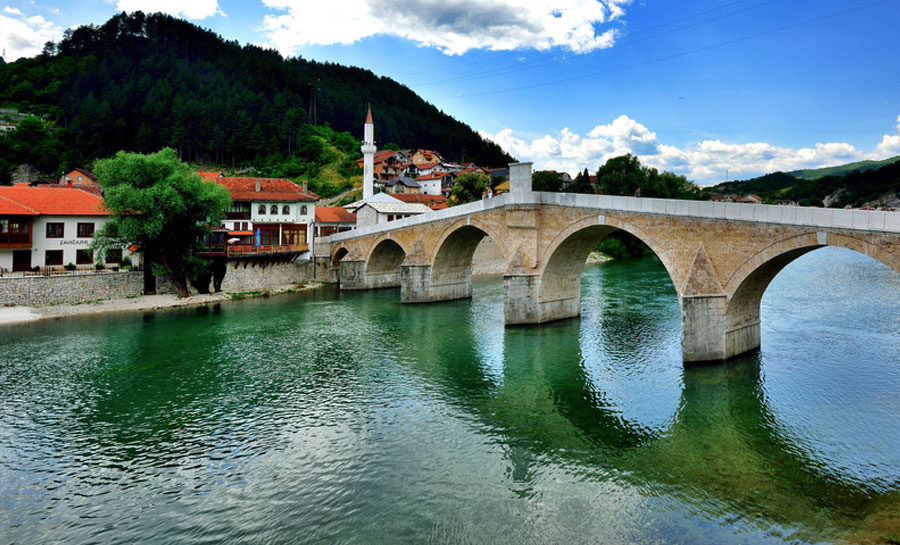
Stara Ćuprija

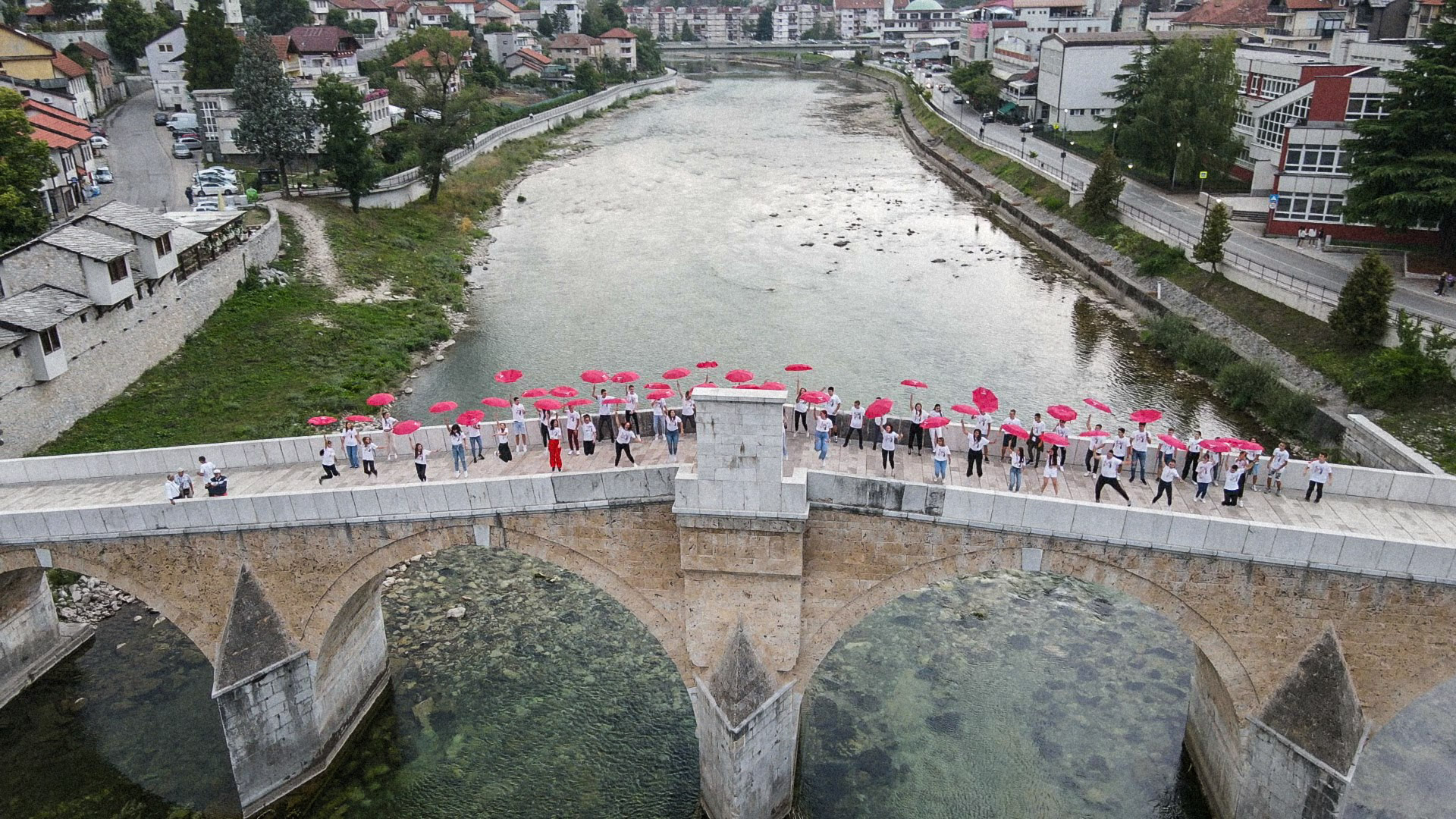
Stara Ćuprija is a bridge spanning the Neretva River in the town of Konjic, Bosnia and Herzegovina. It is a significant example of Ottoman bridge architecture in the Balkans, and is a listed National Monument of Bosnia and Herzegovina.The bridge was built between 1682 and 1683 by Ali-aga Hasečić atop six slightly-pointed stone arches. In March 1945, the bridge's deck was destroyed by explosive charges laid by the retreating German army. While the arches suffered heavy damage, all five piers survived, preserving the bridge's basic structural integrity and permitting eventual reconstruction.

Tito's Bunker Ark D-0

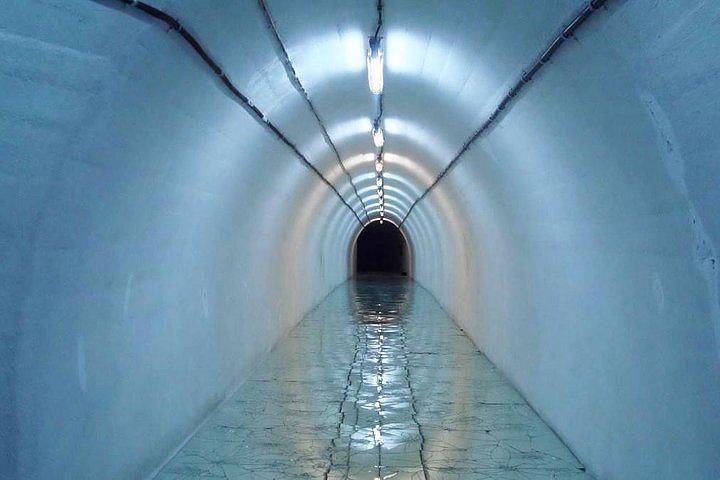
Built underground, to protect Yugoslav President Josip Broz Tito and up to 350 members of his inner circle in the event of an atomic conflict, the structure is made up of residential areas, conference rooms, offices, strategic planning rooms, and other areas. Bunker remained a state secret until after the breakup of Yugoslavia in the 1990s.

Contact us

+971 50 994 9499

+387 61 641 845

info@eurobosnia.ba